
Friends of Grasslands
supporting native grassy ecosystems
PO Box 440
Jamison Centre
Macquarie ACT 2614
email: advocacy@fog.org.au
web: www.fog.org.au
Tristan Lee-Murphy
Manager of the Lawson
2A Development
Suburban Land Authority
Tristan.Lee-Murphy@act.gov.au
Re. Lawson 2A Development
Friends of Grasslands (FOG) is a community group dedicated to the conservation of natural temperate grassy ecosystems in south-eastern Australia. FOG advocates, educates and advises on matters to do with the conservation of native grassy ecosystems, and carries out surveys and other on-ground work. FOG is based in Canberra and its members include professional scientists, landowners, land managers and interested members of the public.
Thank you for providing an opportunity to comment on the development of the new development at Lawson 2A. FOG Committee member, Rainer Rehwinkel, made some comments at the consultation walk-around on 24 November. These are reiterated here.
There are a number of issues that Friends of Grasslands has concerns about, as follows:
1. Natural Temperate Grassland
A. There is a patch of grassland near the electricity substation (red polygon in Figure 1). This grassland conforms with the EPBC Act listed critically endangered ecological community, Natural Temperate Grassland of the South Eastern Highlands [1] and thus requires protection. It appears that this patch of grassland was overlooked in earlier assessment of the site. Much of the patch appears to lie within a grey zone on the map, and it seems reasonable to suggest that special protection should be afforded this remnant as part of the development.
B. There is a patch of grassland that borders Lake Ginninderra near the outfall of the creek (red polygon in Figure 2). This grassland conforms with the EPBC Act listed critically endangered ecological community, Natural Temperate Grassland of the South Eastern Highlands [2], and thus requires protection.
FOG urges the SLA to protect these remnant patches from disturbance associated with the development of the site, and ensure that it is set aside for permanent protection and appropriate management.
2. Native habitat
There is a considerable amount of woody vegetation within and surrounding the development zone. While much of this vegetation is composed of planted vegetation, it is almost exclusively composed of locally indigenous species, and provides important habitat for a diversity of woodland birds. Over 90 bird species, many of which are declining woodland, grassland and wetland species, have been recorded in the development zone, referenced in the eBird hotspot data barchart [3] and link to the location [4] (follow the Map link at the top right; note that the data for this hotspot extends to Ginninderra Drive).
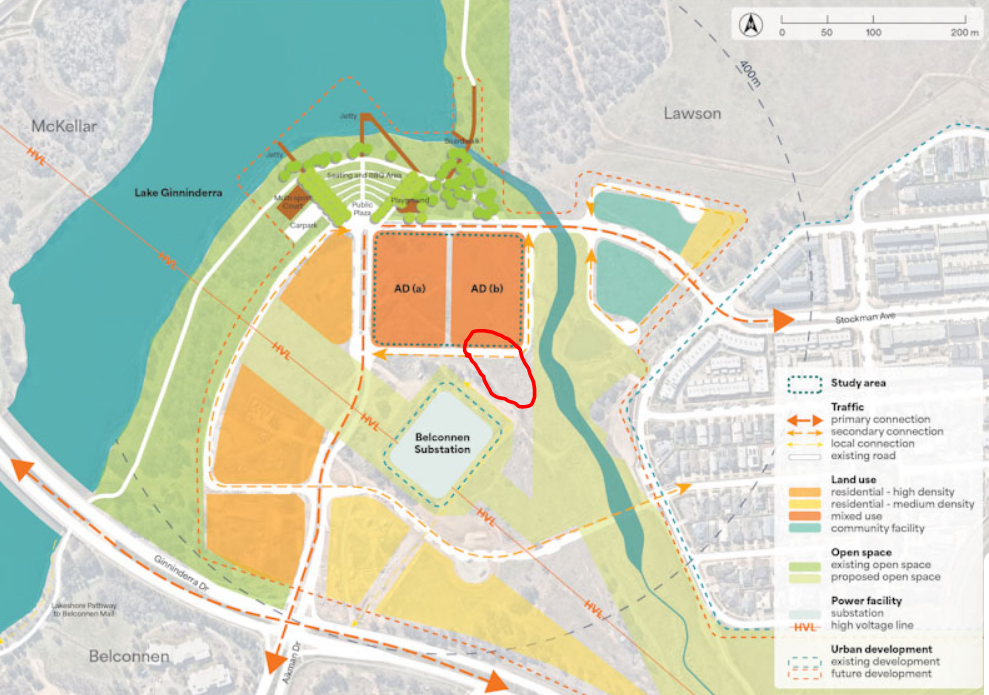
Figure 1. A patch of Natural Temperate Grassland near the substation - outlined in red....
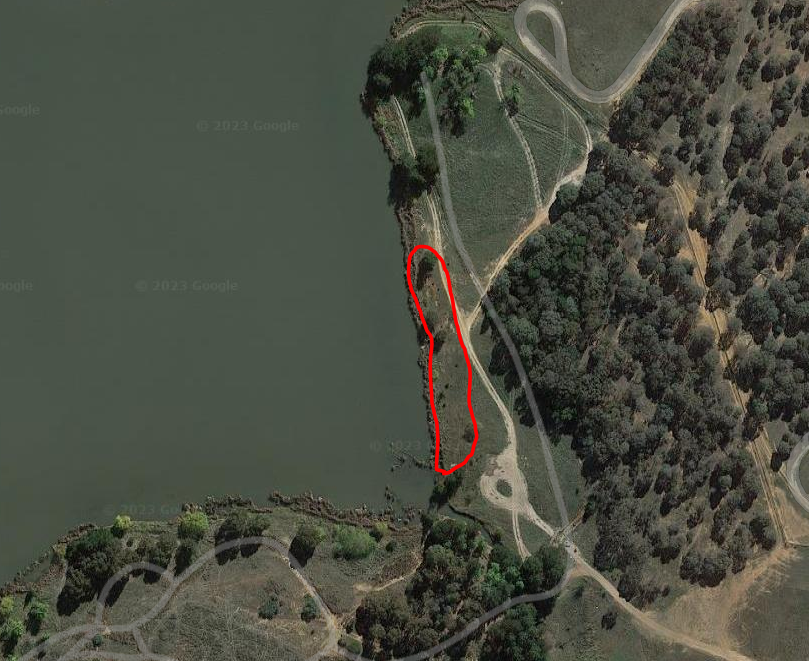
Figure 2. A patch of Natural Temperate Grassland on the
shores of Lake Ginninderra - outlined in red.
FOG urges the SLA to ensure that this vegetation is protected from disturbance during construction of the development and that a buffer of at least 30 m is retained between the vegetation and any development.
3. Riparian habitat
Extensive reedbeds that are also part of the proposed development line Ginninderra Creek. These reedbeds form important habitat for a range of wetland birds referenced in the eBird hotspot data barchart [5] and link to the location [6] (follow the Map link at the top right).
The creekline that enters the development zone from its south-east is an extensive riparian flat densely vegetated with Cumbungi ((Typha domingensis) and other wetland species. This wetland provides habitat for a variety of wetland birds and frogs. A migratory bird, Latham's Snipe, which is listed under the EPBC Act [7] has been recorded in this wetland.
FOG urges SLA to retain the reedbeds and wetland as important elements of the habitat of this part of Lake Ginninderra.
4. Sleeper weeds
FOG urges the SLA to not use species that have been identified as sleeper weeds in the landscaping within the development of Lawson 2A [8].
Yours sincerely
Professor
Jamie Pittock
President,
Friends of Grasslands
16 January
2024
[1] http://www.environment.gov.au/cgi-bin/sprat/public/publicshowcommunity.pl?id=152
[2] ibid
[3] https://ebird.org/barchart?r=L13756223&yr=all&m=
[4] https://ebird.org/hotspot/L13756223. (Follow the Map link at the top right)
[5]5] https://ebird.org/hotspot/L2543411
[6] https://ebird.org/barchart?r=L2543411&yr=all&m=. (Follow the Map link at the top right)
[7]7] http://www.environment.gov.au/cgi-bin/sprat/public/publicspecies.pl?taxon_id=863)